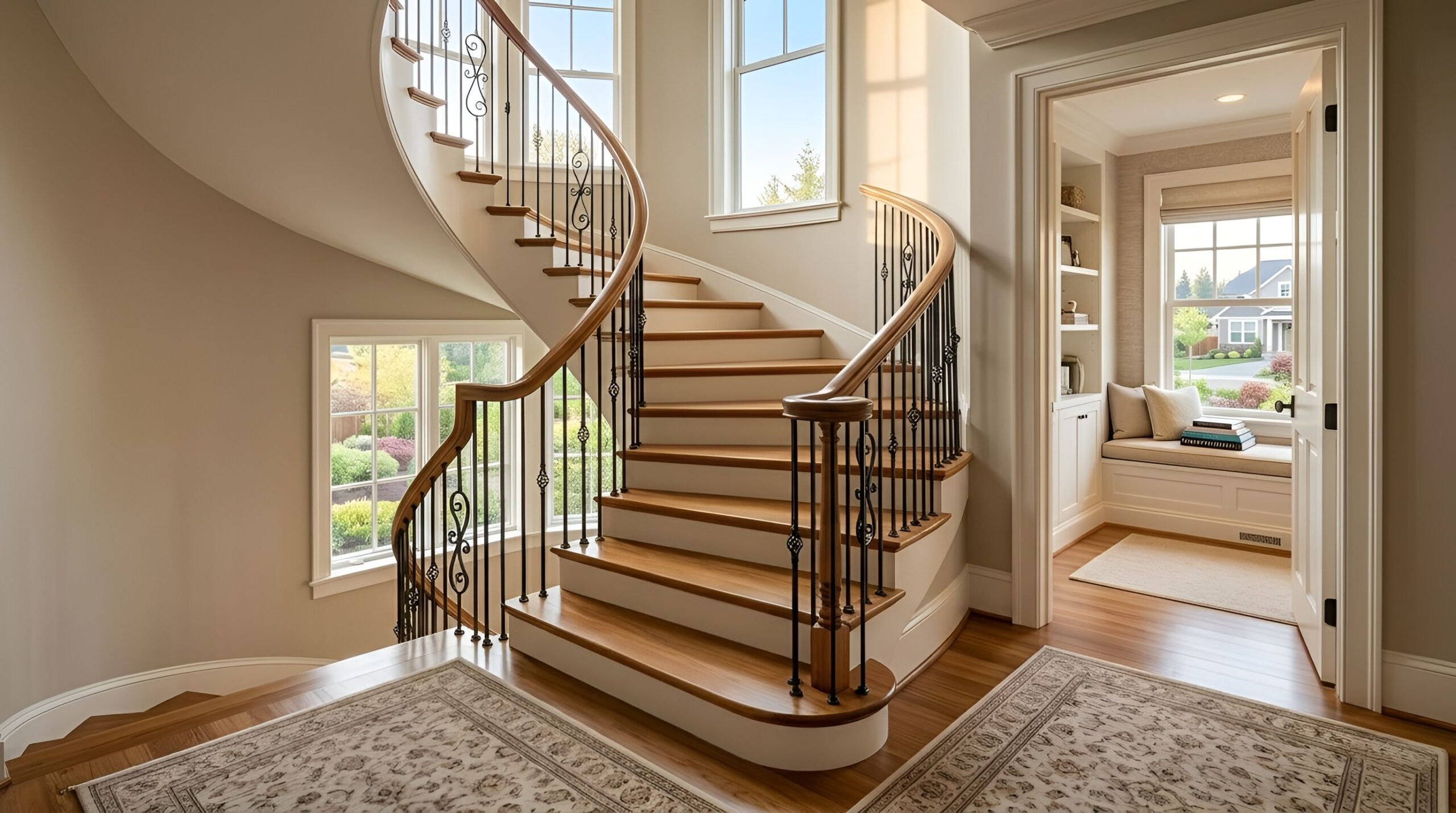
Buying a home is one of the most exciting milestones in life, but it can also feel overwhelming if you’re unsure where to begin. From saving for a down payment to signing the final paperwork, every stage of the journey involves important decisions that can affect your finances and future. Whether you’re a first-time buyer or looking for your next home, having a clear roadmap can make the experience much more manageable.
The home-buying process isn’t just about finding a property that catches your eye. It’s about understanding your budget, choosing the right neighborhood, securing financing, and making informed decisions that align with your long-term goals. With proper planning and the support of experienced professionals, you can navigate the process with confidence and avoid many of the common challenges buyers face.
This step-by-step guide will walk you through everything you need to know about buying your dream home, helping you move from the initial planning stages to the moment you receive the keys.
Step 1: Define What Your Dream Home Looks Like
Before you begin browsing listings, take time to identify what you truly want in a home. Many buyers start searching without a clear vision, making it easy to become distracted by properties that don’t actually fit their needs.
Think about your current lifestyle as well as your future plans. A home that works perfectly today should also accommodate changes such as a growing family, remote work, or long-term investment goals.
Consider factors such as the number of bedrooms and bathrooms, outdoor space, storage, parking, and proximity to work or schools. It’s also helpful to distinguish between features that are essential and those that would simply be nice additions.
Questions to Ask Yourself
- How many bedrooms do I need?
- What type of neighborhood fits my lifestyle?
- Is a large backyard important?
- How long do I plan to stay in the home?
- Do I want a move-in-ready property or a fixer-upper?
Having clear priorities makes the search more focused and productive.
Step 2: Review Your Financial Situation
Before making one of the biggest purchases of your life, it’s important to understand your financial position.
Review your income, savings, debts, monthly expenses, and credit score. These factors will influence the type of mortgage you qualify for and the price range you should consider.
Remember that buying a home involves more than just the purchase price. You’ll also need to budget for property taxes, homeowners insurance, maintenance, utilities, and closing costs.
Creating a realistic budget helps prevent financial strain after you move in and ensures you’re shopping within your comfort zone rather than stretching beyond it.
Step 3: Save for Your Down Payment and Other Expenses
Many buyers focus solely on the down payment without considering the additional costs associated with purchasing a home.
Depending on the loan program, you may not need to put down 20%, but you should still prepare for expenses beyond the purchase itself.
These may include:
- Closing costs
- Home inspections
- Appraisal fees
- Moving expenses
- Utility deposits
- Immediate repairs or upgrades
- Furniture and appliances
Having extra savings provides flexibility and peace of mind once you become a homeowner.
Step 4: Get Pre-Approved for a Mortgage
One of the smartest things you can do before starting your home search is obtain a mortgage pre-approval.
Pre-approval gives you a clear understanding of how much you can borrow and demonstrates to sellers that you’re a serious buyer.
During the process, lenders typically review:
- Income
- Employment history
- Credit score
- Assets
- Existing debts
Knowing your approved budget helps you focus on homes you can realistically afford and strengthens your position when making an offer.
Step 5: Find an Experienced Real Estate Professional
Buying a home involves many moving parts, from scheduling showings and evaluating neighborhoods to negotiating contracts and coordinating inspections.
An experienced Realtor serves as your guide throughout the process, helping you understand market conditions and avoid costly mistakes.
A knowledgeable agent can:
- Recommend suitable neighborhoods
- Identify comparable sales
- Explain local market trends
- Negotiate on your behalf
- Coordinate inspections
- Manage deadlines
- Answer questions throughout the transaction
Having professional guidance often makes the experience smoother and less stressful.
Step 6: Start Touring Homes
With financing in place and a Realtor by your side, it’s time to begin viewing properties.
While online listings provide a useful starting point, visiting homes in person offers a much better understanding of layout, condition, lighting, and neighborhood atmosphere.
As you tour homes, keep notes about each property and compare them against your priorities rather than relying solely on memory.
Pay attention to factors such as storage space, maintenance needs, traffic noise, and overall functionality.
It’s easy to become emotionally attached, but maintaining an objective perspective will help you make smarter decisions.
Step 7: Evaluate the Neighborhood Carefully
A great home in the wrong location may not provide the lifestyle you’re seeking.
Spend time exploring neighborhoods during different times of day to get a better sense of traffic patterns, noise levels, and community atmosphere.
Consider proximity to:
- Schools
- Shopping centers
- Parks
- Restaurants
- Public transportation
- Medical facilities
- Employment centers
- Recreational opportunities
Researching future development plans may also reveal opportunities for long-term appreciation.
Choosing the right neighborhood is just as important as choosing the right home.
Step 8: Make a Competitive Offer
Once you’ve found a property that meets your needs, work with your Realtor to prepare an offer.
The purchase price is important, but it’s only one part of the negotiation.
Other factors include:
- Earnest money deposit
- Financing terms
- Inspection contingencies
- Closing timeline
- Seller concessions
- Possession date
A well-structured offer balances competitiveness with protections that safeguard your interests.
Your Realtor can provide guidance based on local market conditions and recent comparable sales.
Step 9: Schedule a Professional Home Inspection
Even homes that appear perfect may have hidden issues.
A professional inspection provides valuable insight into the property’s condition before closing.
Inspectors typically evaluate:
- Roof
- Foundation
- Plumbing
- Electrical systems
- HVAC equipment
- Windows
- Insulation
- Appliances
- Structural components
If problems are identified, you may negotiate repairs, request credits, or reconsider the purchase depending on the findings.
Skipping an inspection can expose buyers to unexpected expenses after moving in.
Step 10: Complete the Appraisal Process
If you’re financing the purchase, your lender will require an appraisal to confirm the home’s market value.
The appraiser compares the property with similar recent sales while evaluating its condition and features.
If the appraised value supports the purchase price, the transaction moves forward as planned.
If the appraisal comes in lower than expected, buyers and sellers may need to renegotiate pricing or financing arrangements.
Understanding this step ahead of time helps reduce stress if adjustments become necessary.
Step 11: Finalize Your Mortgage
During underwriting, the lender performs a final review of your financial information before approving the loan.
It’s important to avoid making significant financial changes during this period.
Do not:
- Open new credit accounts
- Finance large purchases
- Change jobs without consulting your lender
- Make unusually large deposits without documentation
Maintaining financial stability helps ensure a smooth closing process.
Your lender may request updated documents, so respond promptly to keep everything on schedule.
Step 12: Conduct a Final Walkthrough
Shortly before closing, you’ll have the opportunity to complete a final walkthrough of the property.
This visit confirms that agreed-upon repairs have been completed and that the home’s condition hasn’t changed since your last inspection.
Check that:
- Appliances remain in place
- Repairs were completed properly
- Fixtures are functioning
- No new damage exists
- The property is clean and vacant if required
The walkthrough provides peace of mind before finalizing the transaction.
Step 13: Close on Your New Home
Closing day marks the final step in the home-buying journey.
You’ll review and sign documents related to your mortgage, ownership transfer, and settlement costs.
After funds are transferred and the transaction is recorded, you’ll officially become the owner of your new home.
Receiving the keys is an exciting moment that represents months of planning, preparation, and careful decision-making.
Plan for Life After Closing
Many buyers focus so much on purchasing the home that they overlook the transition afterward.
Creating a post-closing plan helps make your move more organized.
Consider scheduling:
- Utility transfers
- Address changes
- Home security installation
- Internet setup
- Moving services
- Deep cleaning
- Maintenance inspections
Establishing an emergency fund for future repairs also helps protect your investment over time.
Common Mistakes to Avoid During the Home-Buying Process
Even well-prepared buyers can make avoidable mistakes that create unnecessary stress or expense.
Shopping Before Getting Pre-Approved
Without financing in place, you may waste time looking at homes outside your budget.
Letting Emotions Override Logic
Falling in love with a property too quickly can lead to overpaying or overlooking important issues.
Skipping the Inspection
An inspection provides valuable information that protects your investment.
Ignoring Total Ownership Costs
Mortgage payments are only one part of homeownership. Budget for taxes, insurance, maintenance, and repairs.
Making Major Purchases Before Closing
Large financial changes can jeopardize mortgage approval.
By recognizing these common pitfalls, you’ll be better prepared to navigate the process successfully.
Why Patience Pays Off
Buying your dream home rarely happens overnight.
You may tour dozens of properties before finding the right one, encounter multiple-offer situations, or experience unexpected delays during financing.
Remaining patient and focused on your long-term goals helps prevent rushed decisions that you might later regret.
Remember that finding the right home is more important than finding the fastest home.
With preparation and persistence, you’ll be in a stronger position to recognize the right opportunity when it appears.
Final Thoughts
Buying your dream home is both a financial investment and a personal milestone. While the process may seem complex at first, breaking it into manageable steps makes it far more approachable. From establishing your budget and securing financing to touring homes and closing the deal, every stage plays an important role in ensuring a successful purchase.
Working with experienced professionals, staying informed, and planning ahead can help you avoid common mistakes while giving you confidence throughout the journey. Most importantly, remember that your dream home isn’t just about beautiful finishes or curb appeal—it’s about finding a place that supports your lifestyle, future goals, and long-term happiness.
By taking a thoughtful and organized approach, you’ll be well prepared to make one of life’s biggest decisions and enjoy the rewards of homeownership for years to come.
Frequently Asked Questions
How much money should I save before buying a home?
In addition to your down payment, it’s wise to save for closing costs, inspections, moving expenses, and unexpected repairs or maintenance after purchase.
Why is mortgage pre-approval important?
Pre-approval helps determine your budget, strengthens your offer, and demonstrates to sellers that you’re financially prepared to buy.
Should I always get a home inspection?
Yes. A professional inspection can identify hidden issues that may affect your decision or allow you to negotiate repairs before closing.
How long does the home-buying process usually take?
The timeline varies depending on financing, market conditions, and negotiations, but many transactions take between 30 and 60 days after an offer is accepted.
What should I avoid doing before closing?
Avoid opening new credit accounts, making major purchases, changing jobs without consulting your lender, or taking on additional debt that could affect loan approval.
Ready to Start Your Journey Toward Your Dream Home?
Buying a home is an exciting milestone, and having the right guidance can make all the difference. Whether you’re just beginning your search or ready to make an offer, our experienced real estate team is here to help you navigate every step with confidence. Contact us today to explore available properties, understand your options, and take the first step toward finding the home you’ve always imagined.