
Multigenerational living has become an important option for many Southern California families. Whether adult children are living at home longer, aging parents need support, or families want to share expenses, buying a multigenerational home can offer comfort, flexibility, and long-term value.
In Orange County and the Inland Empire, buyers have different opportunities depending on budget, lifestyle, location, and space needs. Orange County may offer convenience, established communities, and proximity to work, schools, healthcare, and family networks. The Inland Empire may offer larger homes, newer layouts, bigger lots, and more space for the money.
The right choice depends on how your household lives together. A successful multigenerational home is not just a larger property. It is a home that supports privacy, shared spaces, accessibility, storage, parking, and future needs.
What Is a Multigenerational Home?
A multigenerational home is designed or used to house more than one generation under one roof. This may include parents living with adult children, grandparents living with grandchildren, siblings sharing a home, or extended family members combining households.
Some families want a home with separate living quarters. Others simply need extra bedrooms, a downstairs suite, multiple bathrooms, or flexible spaces that can support different ages and routines.
The best multigenerational home creates balance. It should allow family members to spend time together while also giving everyone enough privacy and independence.
Why Families Choose Multigenerational Living
Families choose multigenerational homes for many reasons. Some want to care for aging parents. Others want to help adult children save money. Some families want to share housing costs in a competitive market. Others simply enjoy staying close and supporting one another.
In Southern California, where housing costs can be high, combining households can make homeownership more practical. Instead of maintaining multiple separate homes or rental payments, families may choose one larger property that serves everyone.
This arrangement can also provide emotional and practical benefits. Grandparents may help with childcare. Adult children may help with errands, finances, or daily support. Families may also feel more connected when they live close together.
Orange County Multigenerational Home Options
Orange County can be appealing for multigenerational buyers who want convenience. Many families value staying close to jobs, schools, healthcare providers, shopping, restaurants, beaches, and established communities.
However, Orange County homes can be more expensive, and larger properties may be harder to find within a comfortable budget. Buyers may need to consider older homes, remodeled properties, homes with additions, or floor plans that can be adapted for extended family living.
Some buyers may also look at townhomes or larger condos, but single-family homes are often more practical for multigenerational needs because they may offer more parking, bedrooms, and private outdoor space.
Inland Empire Multigenerational Home Options
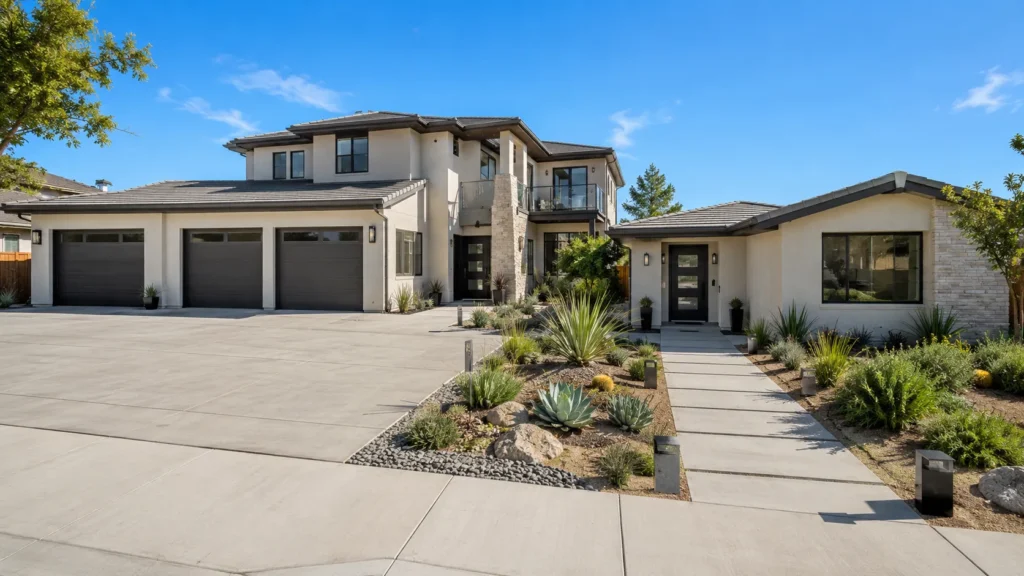
The Inland Empire often gives multigenerational buyers more room to work with. Cities such as Corona, Eastvale, Riverside, Rancho Cucamonga, Menifee, Murrieta, Temecula, and surrounding communities may offer larger homes, newer construction, and more flexible layouts.
For families who need multiple bedrooms, extra bathrooms, larger kitchens, lofts, bonus rooms, or downstairs suites, the Inland Empire can be a strong option. Some newer communities may even include homes with attached private suites or separate living areas designed for extended family.
The trade-off may be commute, distance from Orange County, and a different daily routine. Families should consider where each household member works, studies, receives healthcare, and spends time.
Layout Matters More Than Square Footage
When buying a multigenerational home, square footage is important, but layout matters more. A large home can still feel crowded if the bedrooms are poorly placed, bathrooms are limited, or common areas do not support multiple routines.
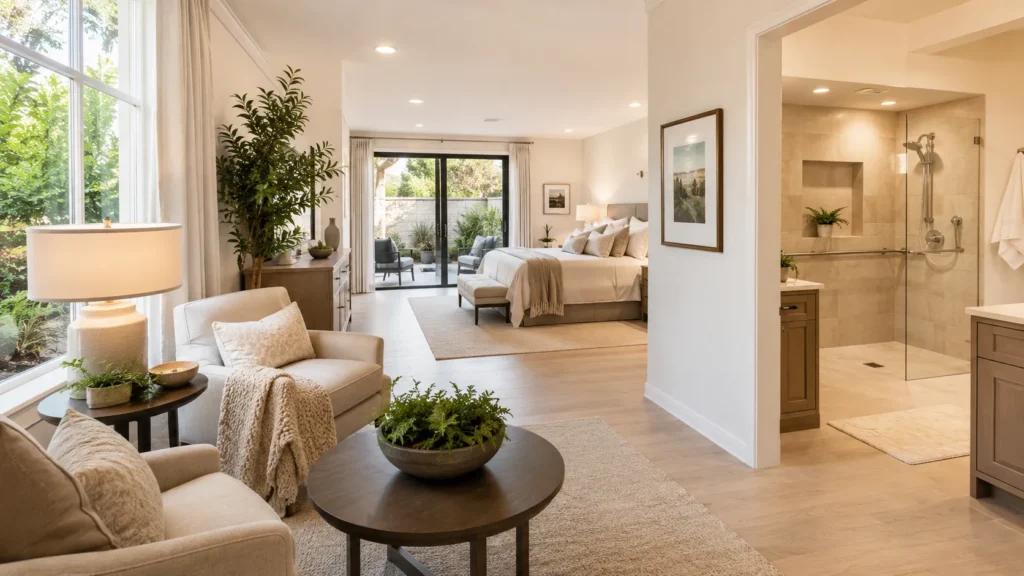
The best layout depends on your family structure. Aging parents may need a downstairs bedroom and bathroom. Adult children may want a private entrance or separate living space. Families with children may need bedrooms close together. Remote workers may need quiet office areas.
Features That Can Make Daily Life Easier
- Downstairs bedroom and bathroom: This can be especially helpful for aging parents, guests, or family members who prefer to avoid stairs.
- Separate living area: A den, loft, bonus room, or private suite can give family members their own space.
- Large kitchen and dining area: Shared meals are easier when the kitchen can support multiple adults and family routines.
- Multiple bathrooms: Extra bathrooms can reduce stress during busy mornings and evenings.
- Flexible rooms: Offices, guest rooms, playrooms, and hobby spaces can help the home adapt over time.
A home that functions well every day is more valuable than a home that only looks large on paper.
Privacy and Independence
Privacy is one of the biggest concerns in multigenerational living. Even close families need space. A good home should allow family members to gather comfortably while also having areas where they can retreat.
Look for homes with bedroom separation, multiple living areas, outdoor space, and quiet corners. If possible, consider a layout where one generation has a bedroom or suite away from the busiest part of the home.
Private entrances, kitchenettes, separate patios, or detached spaces may also be helpful, but buyers should always verify local rules, permits, and property use requirements before assuming a space can be used as a separate living unit.
Accessibility and Aging in Place
For families planning to care for older relatives, accessibility should be part of the search from the beginning. A beautiful two-story home may not be practical if stairs become difficult later.
Single-story homes, downstairs suites, wider hallways, walk-in showers, low-maintenance yards, and easy access from the garage can all make a home more comfortable for aging family members.
Even if accessibility is not urgent today, it may matter in the future. Buying with long-term needs in mind can help avoid another move later.
Parking and Storage
Multigenerational households often have more vehicles, more belongings, and more daily activity. Parking and storage should not be overlooked.
A home with a three-car garage, longer driveway, or flexible parking arrangement can make a major difference. Storage is also important for seasonal items, sports equipment, tools, furniture, and belongings from multiple households.
Before buying, think about how many vehicles will be used daily and whether the neighborhood or HOA has parking restrictions.
Budget and Shared Expenses
One advantage of multigenerational buying is the ability to combine financial resources. Multiple earners may help qualify for a larger home or create a more comfortable monthly payment. However, buyers should discuss financial expectations clearly before purchasing.
Families should decide who will contribute to the down payment, mortgage, taxes, insurance, utilities, repairs, groceries, and maintenance. These conversations may feel uncomfortable, but they can prevent misunderstandings later.
It is also wise to speak with a lender early. Loan qualification, title ownership, credit, income, debt, and gift funds can all affect the buying process.
Orange County vs. Inland Empire: Which Is Better?
Orange County may be better for families who value location, shorter commutes, established neighborhoods, and proximity to work, healthcare, schools, and family support. The challenge is finding enough space within budget.
The Inland Empire may be better for families who need larger homes, more bedrooms, newer layouts, and greater buying power. The challenge is making sure the commute and location work for everyone in the household.
There is no one-size-fits-all answer. The best choice depends on your family’s priorities and daily routine.
Important Questions Before Buying
Before touring homes, families should talk honestly about what they need. This can make the search more focused and less emotional.
Ask how much privacy each person needs, whether anyone needs a downstairs bedroom, how many bathrooms are required, how many cars need parking, and whether the home must support remote work. Also consider how long the arrangement is expected to last.
A multigenerational purchase should be planned carefully because it affects multiple people, not just one buyer.
FAQ: Buying a Multigenerational Home
What makes a home good for multigenerational living?
A good multigenerational home offers enough bedrooms, bathrooms, privacy, shared space, parking, and flexibility. Downstairs suites, separate living areas, and accessible layouts can be especially helpful.
Is Orange County good for multigenerational homes?
Orange County can be a strong choice for families who prioritize location, schools, healthcare, work access, and established communities. Buyers may need to be flexible because larger homes can be more expensive.
Is the Inland Empire better for larger family homes?
The Inland Empire may offer more space, newer homes, larger lots, and more flexible layouts for the budget. It can be a good fit for families who need room to grow and are comfortable with the location.
Should we buy a home with an ADU?
An ADU can be helpful for multigenerational living, but buyers should verify permits, local rules, rental restrictions, utility setup, and privacy before relying on it.
Can multiple family members be on the mortgage?
Yes, in many cases, multiple borrowers can be included, but qualification depends on income, credit, debt, and lender requirements. Speak with a lender before beginning the search.
Final Thoughts
Buying a multigenerational home in Orange County or the Inland Empire can be a smart way to support family, share expenses, and create long-term stability. The key is choosing a home that works for everyone, not just in size but in layout, privacy, accessibility, parking, and location.
Orange County may offer convenience and connection. The Inland Empire may offer more space and flexibility. The right decision depends on your family’s needs today and how those needs may change over time.
Ready to Find the Right Multigenerational Home?
If you are considering a multigenerational home in Orange County or the Inland Empire, Shelli Banko can help you compare communities, floor plans, commute factors, and long-term value with confidence.
With local experience and personalized guidance, Shelli can help your family find a home that supports comfort, connection, and everyday living.
Schedule a consultation today and start exploring homes that fit the whole family.